
A candle can be unmistakable when you first light it, then seem to disappear while you are still in the room. Later, someone may walk through the door and notice the fragrance immediately.
Why? The scent was present the whole time. Your awareness of it changed.
The same can happen with a reed diffuser that has been sitting in an entryway for weeks. You begin to wonder whether it needs new reeds or more oil, even though visitors still experience the fragrance as soon as they arrive.
This familiar experience is often called nose blindness. Understanding why it happens can help you tell the difference between a home fragrance that needs attention and one your senses have simply learned to treat as part of the room.
Why Nose Blindness Happens
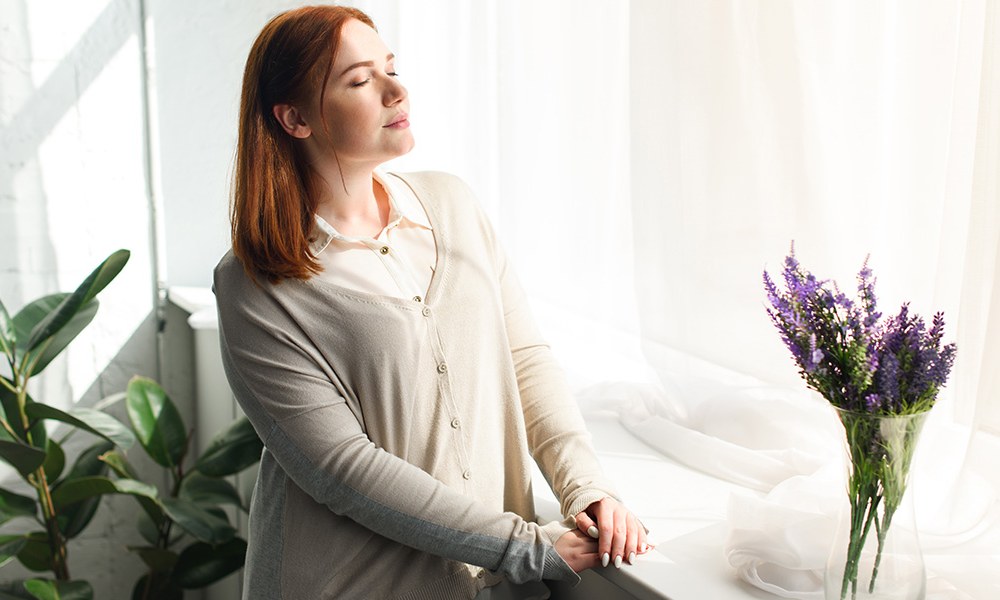
Nose blindness is the common name for “olfactory habituation.” This is the experience where, after repeated or prolonged exposure to the same odor, its perceived intensity can decrease. Research on habituation and adaptation to odors explains that nose blindness can happen relatively quickly.
This does not mean the fragrance molecules have vanished or that your sense of smell has stopped working. Rather, your sensory system is responding less strongly to something that has remained constant.
That filtering of certain smells has a practical purpose, though. A room contains far more sensory information than you could possibly notice at once. And, even if you could, noticing all at once (all the time) would be constantly overwhelming. As such, a familiar fragrance settles into the background, allowing a new smell entering the space to be easier to detect. The home fragrance may still be shaping the atmosphere even after it no longer holds your attention.
The Best Test Happens Outside the Room

When a fragrance seemingly fades, continually leaning toward a candle or diffuser rarely gives you a clear answer. Each check extends your exposure to the same scent, so the fragrance can seem less distinct every time you search for it.
Instead, spend some time in a different environment. Take a walk or run an errand without bringing the fragrance with you. When you return, pay attention to your first impression as you enter the room. That brief moment often tells you more than smelling the vessel at close range.
A person entering the home for the first time that day can offer another useful perspective. If they notice the fragrance and you do not, adaptation is a more likely explanation than a product that has stopped performing. If neither of you can detect it, first consider whether the product suits the size of the room. Then check its placement and condition.
More Fragrance Is Not Always More Noticeable
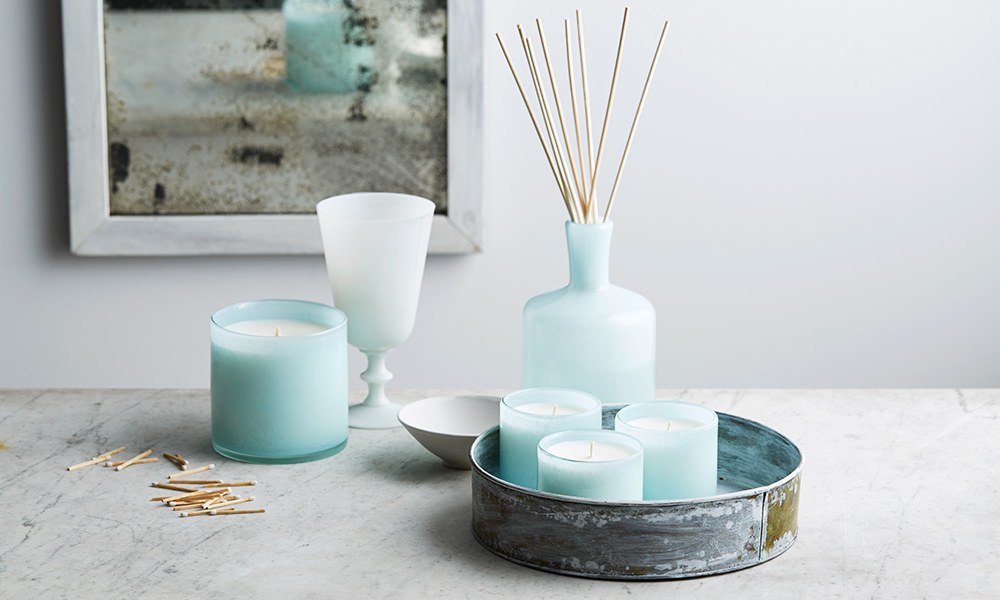
When a familiar scent becomes difficult to detect, the instinctive response is often to add more. You might light a second candle or add reeds to a diffuser. That can make the room much stronger for anyone who has not adapted to it, while your own awareness may still fade again.
Check the product before changing the intensity. A candle should have a clean wick and enough time to form an even melt pool. If it has only been burning for a few minutes, the fragrance may not have had time to move through the room. Keeping it lit longer is not always the answer either. A candle that is burned long enough to form a full melt pool will generally perform more consistently than one burned in short bursts or left lit beyond its recommended session.
For a reed diffuser, look at the oil level and the condition of the reeds. Make sure it is not tucked behind furniture or placed beside an open window where moving air carries the scent away. These checks help separate a performance issue from a change in perception.
Change the Pattern, Not Just the Strength
The first impression of a fragrance stands out because it’s new. You can create more opportunities for that feeling by changing when or where scent appears, rather than trying to keep it at maximum intensity all day.
Build in a Pause with Candles
A scented candle naturally gives the room periods with and without fragrance. Light it for a defined part of the evening and extinguish it after the appropriate burn session. Once the room returns to neutral, the next burn begins with a clearer contrast.
Continuous fragrance, such as a diffuser, can still work beautifully, especially in an entryway or powder room. The goal is not to remove every diffuser. It is to recognize that a scent present around the clock is more likely to become familiar than one connected to a particular part of the day.
Match the Format to the Moment

Think about what you want the fragrance to do. A reed diffuser can quietly maintain the identity of a room. A candle creates a more deliberate ritual because you choose when to light it. Room mist is useful when you want the scent to arrive at a specific moment, such as before guests enter or after the kitchen has been cleaned.
Changing formats can make a familiar fragrance feel more intentional without increasing its strength. The difference is not only how the scent reaches the room. It is also whether your attention has a reason to even return to it.
Rotate to a Different Fragrance Family
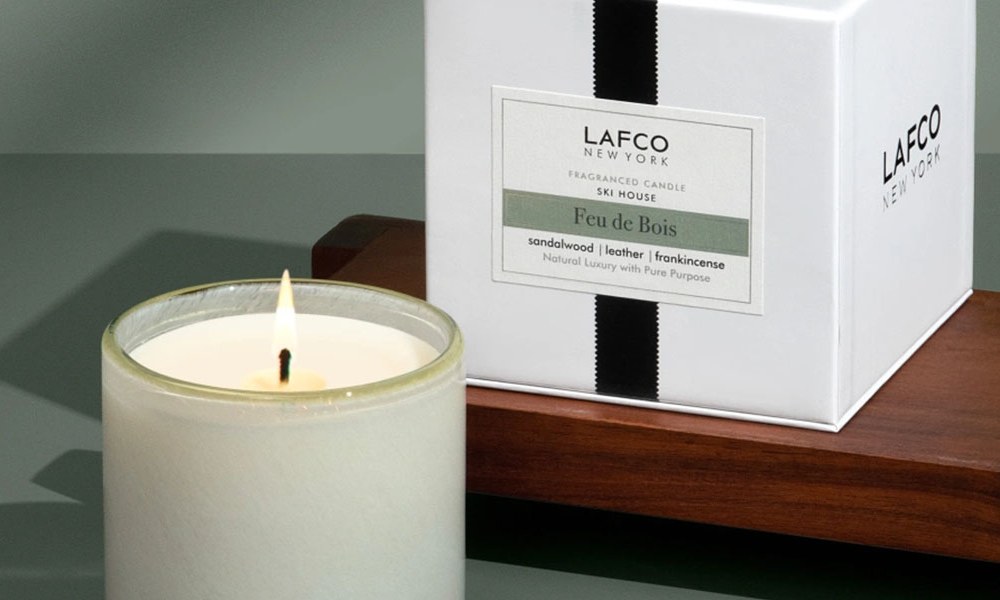
Contrast can reset the experience more effectively than moving between two similar scents. For example, if Feu de Bois has filled a living room with smoky leather over sandalwood, with frankincense adding resinous depth, a period with Marine will feel noticeably different. This is because bergamot gives way to marine air, while sea jasmine softens the composition before it settles into sea moss and vetiver.
Returning to Feu de Bois after that contrast can reveal details that had faded into the background. If you are deciding which fragrance families create enough separation, our Discovery Trio lets you experience three sample candles in the rooms where you will actually use them.
Let Each Room Keep Its Own Identity

Using one fragrance in every part of the home can create continuity, but it also removes the transitions that help scent feel noticeable. When an entryway, bedroom, and living room all smell exactly alike, your senses receive little new information as you move between them.
Give adjoining spaces a relationship without making them identical. A bright fragrance in the entryway can lead into something warmer in the living room. A soft herbal scent can mark the bedroom as a quieter space. Building a fragrance story that changes from room to room creates enough contrast to make each transition clear while keeping the home cohesive.
Seasonal changes can do the same thing over a longer period. When you are rotating home fragrance with the season, a familiar favorite gets time away. Its return feels more distinct because the room and your routines have changed.
Make Familiar Fragrance Feel Present Again
Home fragrance does not need to command your attention every minute to influence a room. A familiar scent can remain part of the atmosphere even when your awareness of it has softened.
Before adding more, step away and return with a fresher perspective. If the fragrance is still performing, give it a more deliberate place in the day or introduce enough contrast to make the experience feel new again. The goal is not a room that constantly smells stronger. It is a home where fragrance continues to feel considered.