
Oud is often described as one of the most luxurious scents in the world, but it’s also one of the hardest to define. It’s rich, smoky, slightly sweet, and unmistakably complex. For some, it brings to mind old leather or burning wood. For others, it smells smooth and warm, like incense drifting through a quiet room.
If you’ve ever wondered what oud actually smells like, you’re in the right place. Today, we’re going to break down what makes oud so unique, why it’s prized in fragrance traditions around the world, and how LAFCO uses it in select home fragrances to make the scent approachable, balanced, and beautiful.
What Exactly Is Oud?
Oud begins with a tree. Specifically, the aquilaria tree, which grows in parts of Southeast Asia. On its own, the wood is light in color and scent. But when the tree becomes infected with a particular type of mold, something remarkable happens. It produces a dark, resinous substance as a natural defense. That resin slowly spreads through the heartwood, and over time, transforms both the color and aroma of the wood itself.
The result is agarwood, the raw material from which oud is distilled. Because not every tree develops this resin, and because the process can take years, oud is incredibly rare. It’s often referred to as “liquid gold,” not just for its price, but for the richness and depth it brings to any fragrance.
The Scent Profile
In a home fragrance, oud brings warmth, depth, and a steady sense of calm. It doesn’t overwhelm a room, but it doesn’t disappear either. It builds slowly, then stays with you.
In candles, the first thing you’ll notice is a soft, smoky woodiness. It’s not sharp or campfire-like, but smooth and full. As the candle warms, the scent expands. Hints of resin and aged wood begin to surface, creating a grounding presence that fills the space without feeling heavy.
In a diffuser, oud behaves a little differently. The scent comes through more evenly, more constant. You might catch notes of earth, leather, or a quiet sweetness that lingers in the background. It’s a scent that makes a room feel lived-in and serene, even if you’ve just walked in.
What makes oud special in a candle or diffuser is how it holds space. It can add a sense of warmth to a large room or bring stillness to a smaller one. And when paired with other notes—like rose, amber, or citrus—it becomes even more versatile. Still deep, still rich, but softened in just the right way.
Cultural and Spiritual Significance
Long before oud became popular in candles and diffusers, it held a place in spiritual and cultural traditions around the world. Its use dates back thousands of years, with deep roots in ceremony, ritual, and daily life.
In many Middle Eastern cultures, oud is burned as incense to welcome guests, mark celebrations, or create a sense of peace within the home. The scent is often associated with hospitality and respect, and it’s not uncommon for a single home to carry the scent of oud from morning to night.
In Japan, oud is central to the practice of kōdō, or “the way of incense.” Thin chips of agarwood are gently heated, not burned, allowing their scent to unfold slowly. The ritual is quiet and meditative, focused as much on presence as on fragrance.
Across South and Southeast Asia, oud has been used in spiritual practices, often seen as a way to connect more deeply with the sacred. It’s valued not just for its richness, but for the stillness it brings.
LAFCO Spotlight: Subtle Ways to Experience Oud
LAFCO takes a refined approach to oud, blending it with other notes to create fragrances that feel grounded, balanced, and quietly complex. Two standout offerings—Big Sky and Clary Sage—feature oud in a way that enhances the mood of a space without overwhelming it.
Big Sky | Signature Candle
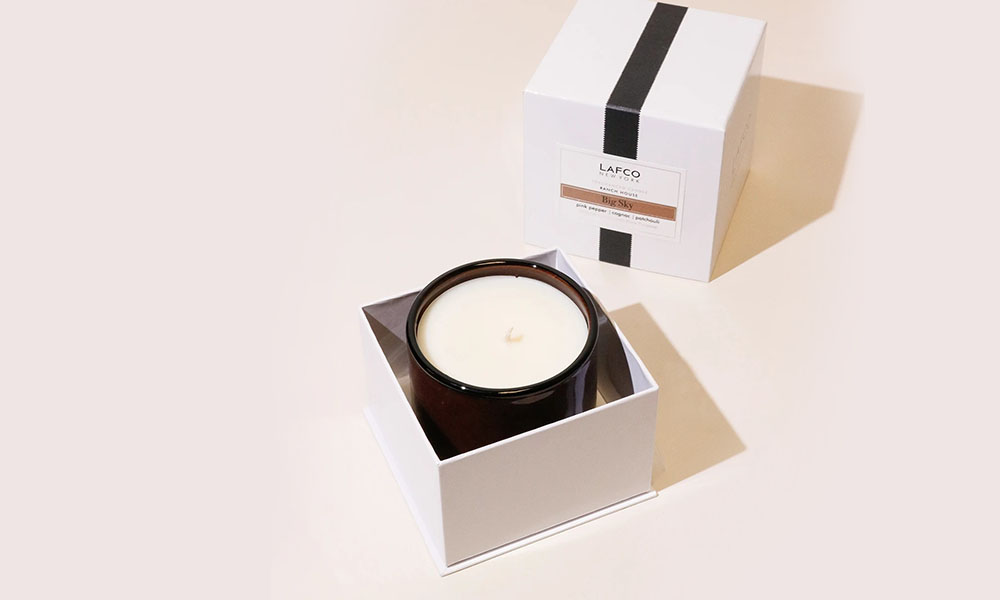
This candle layers pink pepper, cognac, sandalwood, and patchouli over a warm oud base. The result is expansive and deeply calming, with a richness that feels both rustic and elegant. It’s a scent that brings to mind open air, wide skies, and a quiet evening settling in. Perfect for living rooms or spaces where you want the atmosphere to feel rooted but open.
Clary Sage | Classic Diffuser
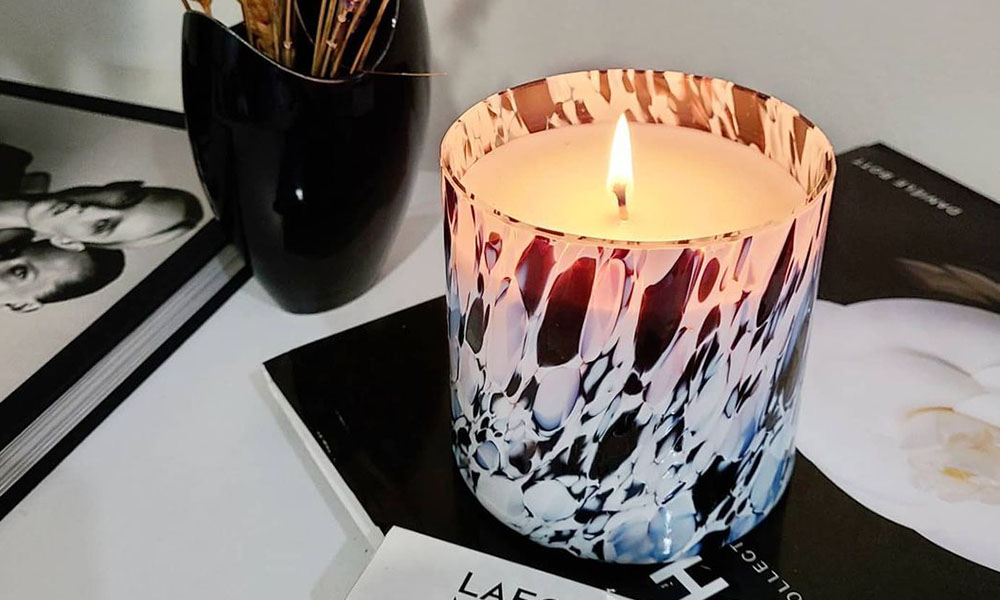
Fresh, herbal, and just a little spicy, this diffuser blends clary sage with chamomile, red currant, and a soft touch of oud and cedarwood. It’s clean without being cold, earthy without feeling heavy. The scent fills a room slowly and stays steady throughout the day, making it ideal for bedrooms, home offices, or any place where you want clarity with a bit of depth.
Each of these fragrances lets oud play a supporting role, adding warmth and complexity in a way that feels lived-in and quietly sophisticated.
Let the Story Unfold
Oud is a scent that takes its time. It doesn’t rush to reveal itself, and that’s part of what makes it memorable. Even in a candle or diffuser, it holds a kind of stillness that shapes the mood of a room in quiet, lasting ways.
If you’re curious, start with something balanced. The richness of Big Sky or the herbal calm of Clary Sage are both thoughtful ways to bring oud into your space. Or explore a few options at once with the LAFCO Discovery Trio.
Whichever path you take, let the scent unfold naturally. There’s no need to rush it. Oud always makes itself known, but never in a hurry.
Best info….
geometry dash world is all about quick reactions and staying in sync with the beat. The bright visuals and energetic soundtracks make every level exciting. Even though the stages are short, they’re packed with challenges. It’s a fun but tough game that keeps pulling you back in.
Thanks for this post
This is exactly what I was looking for, thanks!
Great post
Wow, Nyc such an amazing blog we see.
The contrast between smoky wood and warm incense is fascinating. It makes total sense why oud is considered so luxurious. Great breakdown of such a complex fragrance profile!
I’ve always found oud’s complexity fascinating—it’s like slowly unwrapping layers of smoke and sweetness. The way you described it building gradually reminds me of the mental focus I use when unwinding with an online football game, something that rewards patience.
I never knew oud only forms when the aquilaria tree gets infected with that specific mold — ‘liquid gold’ makes total sense given how rare that is. The description of it building slowly in a candle, from soft smokiness into resin and aged wood, is exactly the kind of sensory detail I’ve been trying to capture in AI-generated visuals of scent moods. Lovely, clear explainer.
This article really captures the complexity of oud better than most. I have always found it fascinating how personal scent perception can be, sometimes I catch hints of leather, other times just warm wood. It is nice to have that validation. Honestly, after a long session of strategy or action, I often unwind with some relaxing moments. Sometimes I even play some Free Arrow Games Online to clear my head, and the atmosphere matters a lot. Does anyone else find that certain scents enhance focus during downtime like that? It is a great read for anyone curious about luxury notes.
Oud is one of those fragrances that’s hard to explain until you experience it yourself. I love how it can smell different to everyone while still feeling rich, warm, and incredibly elegant.
Fragrances that’s hard to explain until you experience it yourself. I love how it can smell different to everyone while still feeling rich, warm, and incredibly elegant.
Great breakdown of oud’s complexity—I always struggled to put words to that sweet-smoky warmth. It reminds me of how much context matters when identifying scents, something I was just reading about in these こえはかる tips. Anyway, this post made me want to try one of your candles!
Oud really is fascinating – the way it shifts from smoky and resinous to softly sweet depending on the blend is unlike anything else. LAFCO does a great job of keeping it approachable rather than overwhelming. If I need a quick mental reset between fragrance research sessions, I like to play drive mad online (https://drivemad.online) – a fun way to clear my head before coming back to scent notes.
Your breakdown of oud’s scent profile and its cultural roots is spot on. I’ve always found that oud, like many things tied to ritual, has a way of connecting us to something deeper—whether it’s memory, identity, or a sense of presence. That same curiosity about the unseen is what led me to explore palm reading for personality, where an AI analyzes a photo of your palm to offer insights into your character and future. It’s a modern twist on an ancient practice, much like how LAFCO modernizes oud for home fragrance.
I really enjoyed this deep dive into oud and how it shifts between candle and diffuser formats. The way you described its smoky, resinous warmth makes me want to experience it in person. It’s fascinating how a scent with such ancient cultural roots is now being studied with modern tools. I recently came across AI for science hub, which curates news and tools on AI applications in scientific research. They’ve featured some interesting work on analyzing natural fragrance compounds and predicting scent profiles. If you’re curious about the science behind oud or other complex aromas, it’s a great place to explore. Thanks for the insightful post.
Your explanation of oud—from the infected aquilaria trees to the way it holds space in a room—is wonderfully evocative. I especially appreciated the cultural context around Japanese kōdō and Middle Eastern hospitality traditions. It’s fascinating how scent can act as a bridge to understanding a culture’s history and rituals. That same curiosity often leads to language, since so much cultural nuance lives in everyday phrases. If you’re ever inclined to explore Chinese traditions more deeply, there’s a site that teaches Chinese through immersive games—it’s a playful way to pick up vocabulary and characters. You can find it here: immersive Chinese learning games. It’s suitable for all levels, and it makes the learning process feel less like study and more like exploration.
I appreciated the detailed breakdown of oud’s scent profile and its cultural significance. The way you described oud’s behavior in candles versus diffusers really captures its complexity. As someone who works in scientific communication, I often need to illustrate complex data—like the chemical compounds that give oud its smoky, resinous character. For that, I’ve found scientific illustration software incredibly useful; it generates publication-quality figures and flowcharts from simple prompts, saving hours of manual work. It’s a niche tool, but if you ever want to visualize fragrance notes or distillation processes, it’s worth a look.
I thoroughly enjoyed this deep dive into oud—it’s fascinating how a single note can carry such a range of impressions, from smoky leather to warm resin, and how it anchors a space with quiet presence. Your point about oud’s ability to ‘hold space’ in a room resonates; it’s similar to how certain stories can envelop you and shift your mood. If you appreciate that kind of immersive escape, you might also enjoy exploring free otome visual novels. I recently came across Play Visual Novels, a curated directory where you can play browser-based romance and otome games directly, each with hand-written reviews and screenshots—no downloads required. It’s a different sensory journey, but equally transportive. Thanks for the insightful read.
What a beautifully nuanced take on oud—I love how you describe it as both smoky and sweet, ancient yet approachable. It’s a scent that resists easy definition, which is exactly what makes it so captivating. As someone who enjoys translating sensory experiences into visual art, I’ve often tried to capture that elusive quality in my own projects. Recently, I wanted to create a custom stencil for an oud-themed candle label, and I found a fantastic tool that turns any photo or text into a clean, cut-ready stencil in seconds. It’s perfect for Cricut or vinyl cutting, and even supports multi-layer stencils for complex designs. You can check it out here: Cricut stencil maker. It’s been a fun way to add a personal touch to home fragrance crafts.
Oud is one of those notes that keeps revealing new facets the longer you sit with it. I like how it can read smoky and resinous on one person and almost honeyed on another depending on the blend, and LAFCO does a nice job keeping it wearable rather than overpowering. It is a note worth trying on skin before deciding.
This was a useful read, especially the part around The result is agarwood, the raw material from which oud is distilled. Because not every tree develops this resin, and be. I keep a related note here too: face score, not a perfect match maybe, but it connects with the same problem.
The section on how oud behaves differently in a candle versus a diffuser really rings true — that slow build in wax versus the constant, even presence from a reed diffuser is exactly why I keep both formats on hand, and your point about pairing it with rose or amber to soften the resinous edge is spot on. One thing I’d add for anyone chasing the “old leather and burning wood” description: the source material matters enormously, and in many ways oud works like any other rare commodity tied to a place’s economy — scarcity, regional supply, and pricing all shift the experience. I actually came across a similarly obsessive breakdown of how in-game economies price rare goods over at Lagos Life Wiki guides, which scratched the same itch for me about how scarcity shapes value. Either way, this piece made me want to revisit LAFCO’s oud blend in a smaller room.
The way you describe oud building slowly in a candle rather than announcing itself matches my experience — I’ve found the resinous, almost leathery middle phase is where most cheap interpretations fall apart, going sharp or synthetic instead of staying smooth and grounded. Pairing it with amber seems to soften that edge without losing depth. As someone who also writes long-form guides that get revised with every patch, I appreciate that you note how oud behaves differently in a diffuser versus a candle; that distinction is usually glossed over. For anyone who enjoys that same obsessive documentation style applied elsewhere, this Witcher 3 remastered mod guide keeps its notes current with each hotfix. Oud and patch notes are an odd pairing, but both reward readers who want the details to stay accurate.
Nice overview of oud and how it shifts from smoky and resinous to softly creamy depending on the blend. LAFCO keeps it surprisingly approachable. Between scent-testing sessions I unwind with a quick round of wave rider to reset my nose before getting back to the notes.
A really clear breakdown of why oud reads so differently depending on the season. I tend to reach for warmer woods once the evenings cool down, and your note on aquatic versus light woody notes makes that easy to think about. On slow weekend afternoons I usually unwind with a quick fun Summer Rider racing game before thinking about scent at all, and the contrast between something playful and something rich is part of the fun. Thanks for the seasonal guidance.
Great breakdown of oud. The opening is where most people get surprised — that smoky, resinous edge reads almost medicinal at first, and it is only after twenty minutes or so that the sweetness and the wood really come through. On my skin the patchouli-leaning ouds sit close and quiet, while the rose-forward ones project much further than I expect. Do you notice a big difference between Cambodian and Indian oud in how they age?
Really enjoyed the breakdown of how oud behaves differently in a candle versus a diffuser—that point about the scent coming through more evenly and constantly in a diffuser matches my experience, while a candle seems to unroll in stages as the wax warms. The detail about the aquilaria tree’s resin forming only after infection is a good reminder of why real oud carries such a price. One thing I’d add for anyone exploring rare, collectible scent profiles: the same collector’s instinct shows up in gaming communities, where people catalog every item and stat with the same care. I’ve been using this PokeBonk Kit Score tier list to compare all 79 League Pokemon, and the sourced, dated approach feels a lot like how a good fragrance house documents its materials.
The comparison between how oud develops in a candle and how it comes through more steadily in a diffuser is especially useful. It explains why a fragrance description on its own may not tell a reader how the same note will behave in a room. Clear product-format comparisons like this make the terminology easier to understand.
The point about oud behaving differently in a candle versus a diffuser is spot on—I’ve noticed the same thing, where the wax seems to release that smoky woodiness in waves as it warms, while a reed diffuser keeps it much more linear and steady throughout the day. The detail about the mold infection creating the resin is also a helpful reminder of why genuine oud carries such a premium, and why so many home fragrances lean on accords rather than the real material. For anyone who enjoys that layered, slow-unfolding quality in scent, I’d compare it to how game systems reward patience—there’s a comparable depth in the Candy Kingdom Defense evolution reference, which breaks down how units evolve and tier up over time. Different medium, same appreciation for gradual depth. Appreciate the cultural context on kōdō as well; it reframes oud as something to sit with rather than just burn.
The candle-versus-diffuser comparison helped make an abstract scent description easier to understand: one develops as the candle warms, while the other is described as more constant. It was also useful to see oud presented as a supporting note in Big Sky and Clary Sage. A side-by-side note on how the woody base changes alongside the herbal or peppery notes would be a helpful follow-up for readers comparing the two.
Oud is such a hard note to pin down, and this breakdown gets it right. That opening of leather and smoke that slowly warms into something almost sweet is exactly how it reads on my skin. Learning about the agarwood resin makes the liquid gold reputation make sense, since so few trees ever produce it. Fragrance like this is pure theatre, and I have been chasing that same sense of atmosphere over at the freak circus online lately. Curious whether you would layer oud with rose or keep it woody and dry for the colder months.
The candle-versus-diffuser comparison is the most useful part of this explanation. Describing oud as smoky or woody gives a starting point, but explaining how a candle develops as it warms, compared with a diffuser’s steadier presence, makes the choice much easier to picture. The background on resin forming in aquilaria also adds context to the price.
Thinking about the setting is helpful too: some people want fragrance in the background while reading or working on a puzzle. For the latter, Poopstep’s word-ladder game is a word puzzle built around changing one letter per step. The appeal would be in making time for a hobby, with the fragrance simply part of the room.
A side-by-side comparison of Big Sky and Clary Sage would be a useful follow-up. How much does the oud stand out in each, and which surrounding notes are most noticeable first? Thanks for making an unfamiliar ingredient easier to understand.