
If you have ever lifted the lid from a tin of Earl Grey tea, you already know bergamot. It is the bright, fragrant note that rises above the darker tea leaves, citrusy at first and then softer and slightly floral as it settles.
So, what does bergamot smell like?
Think of fresh citrus peel rather than sweet juice. Bergamot has some of lemon’s sparkle and orange’s warmth, but it is less sharp than one and less sugary than the other. A green, lightly bitter edge gives it definition, while a delicate floral quality keeps it smooth.
That balance is what makes bergamot so useful in fragrance. It creates an immediate sense of freshness without making the composition feel overly sharp or overtly fruity. It can bring air to a coastal candle, energy to a green fragrance, or an elegant brightness to florals and woods.
Bergamot Is Citrus, But It Is Not Sweet
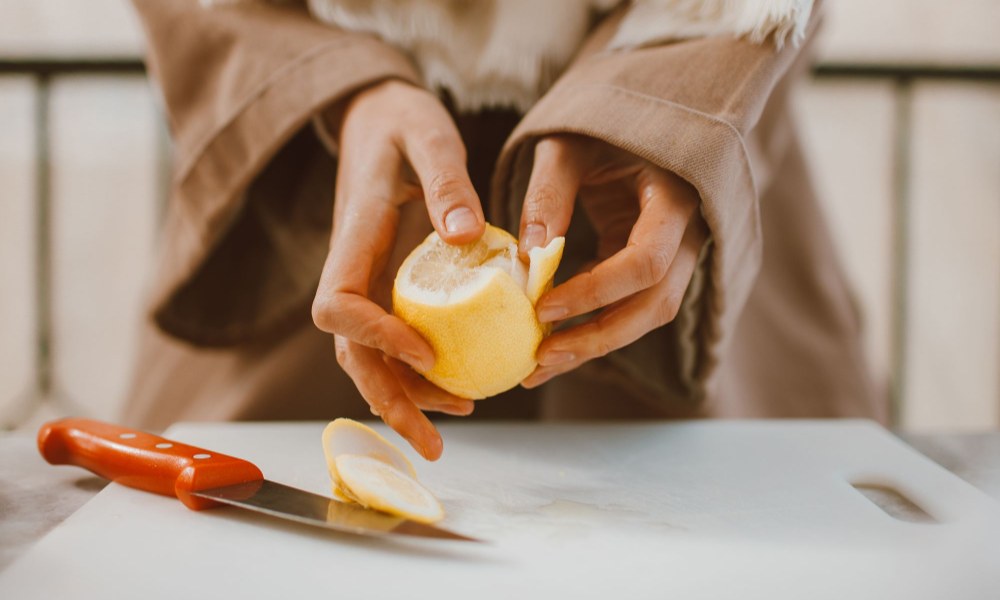
Bergamot is a small citrus fruit with a yellow-green rind, and its fragrant oil comes from the peel. That distinction matters. The aroma is closer to the fine mist released when you twist a strip of citrus zest than it is to a glass of juice. It feels vivid and juicy, but it also has the dryness and gentle bitterness of the rind.
Compared with lemon, bergamot is rounder and less piercing. Compared with orange, it is drier and more aromatic. It may remind you of grapefruit because of its subtle bitterness, but bergamot is softer, with a floral character that grapefruit usually does not have. None of these comparisons captures it completely. Bergamot sits somewhere between them, which is why it can seem immediately familiar even when you cannot name it.
This is also why bergamot often appeals to people who want a fresh scent with more polish and depth. It brightens a room or perfume, but it does not stay in a single citrus register. Its green and floral facets give the rest of the fragrance somewhere to go.
What Bergamot Adds to a Fragrance

Bergamot is often used as a top note, which means it is one of the first aromas you notice. It gives a fragrance lift and clarity at the opening, almost like opening the curtains in a room. Then, as that first brightness begins to soften, it leads naturally into the notes beneath it.
What happens next depends on the composition. With marine and mineral notes, bergamot can feel breezy and coastal. In our Marine Classic Candle, its citrus brightness meets a fresh marine accord and sea jasmine, while vetiver adds a dry, grounded finish. Bergamot helps create the sense of open air without making the fragrance feel thin.
With ripe fruit, bergamot has a different job. It adds contrast, keeping sweeter notes from becoming dense. In our Paradiso Fig Classic Reed Diffuser, Sicilian bergamot brightens the richness of fig and soft peach. The result still feels lush, but the opening has a crisp green edge that gives the fruit more definition.
The Notes That Pair Best With Bergamot
Florals bring out bergamot’s softer side. Rose, jasmine, magnolia, and orange blossom can make its citrus sparkle feel more graceful and rounded. Bergamot, in turn, keeps a floral composition from feeling too powdery or heavy. It is a natural pairing because each note gives the other a sense of movement.
Herbs and green notes emphasize bergamot’s aromatic character. Basil, coriander, myrtle, tea, and petitgrain can make it smell cooler, crisper, and more textured. These combinations often feel fresh without being simple. Instead of reading as straightforward citrus, the fragrance takes on the impression of crushed leaves, stems, and sun-warmed peel.
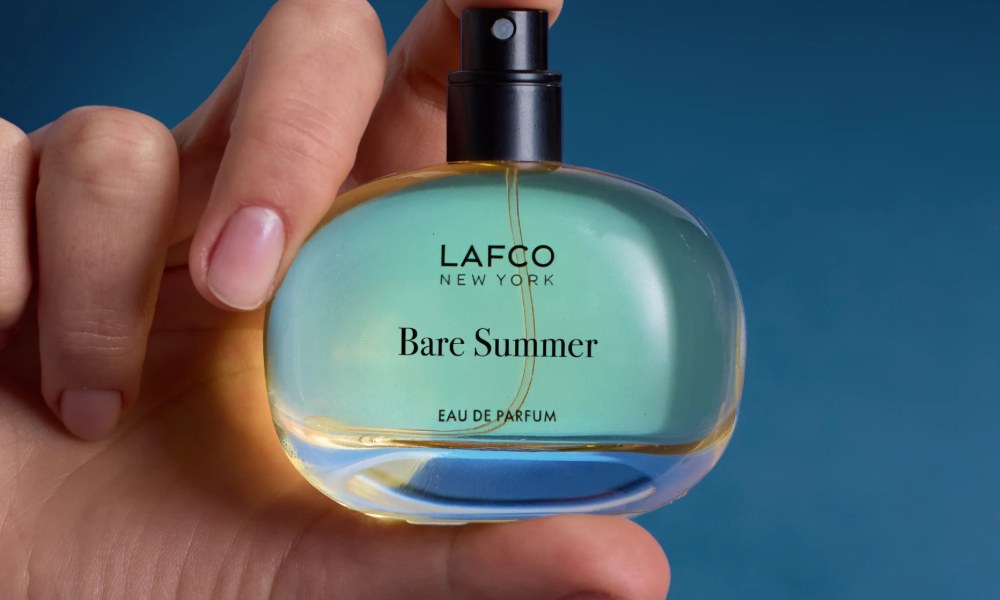
Woods, amber, and musk create another kind of contrast. Bergamot supplies the light at the top, while cedar, vetiver, driftwood, or soft musk gives the fragrance warmth and staying power below. Our Bare Summer Eau de Parfum follows this arc beautifully. Bergamot and petitgrain lime provide the first citrus lift, green aromatic notes add texture, and a warm base of driftwood, sand, and musk lets that brightness settle close to the skin.
Does Bergamot Smell Masculine or Feminine?
Bergamot does not belong to one side of the fragrance counter. Its citrus freshness can feel crisp and tailored, while its floral softness can feel warm and delicate. The notes around it determine the overall impression.
Paired with woods, herbs, leather, or vetiver, bergamot may feel more structured. With flowers, fruit, amber, or soft musk, it may feel more luminous and sensual. In many fragrances, it is the note that makes those contrasting elements feel connected. That versatility is one reason it appears in so many personal and home fragrances.
How to Know If You Like Bergamot
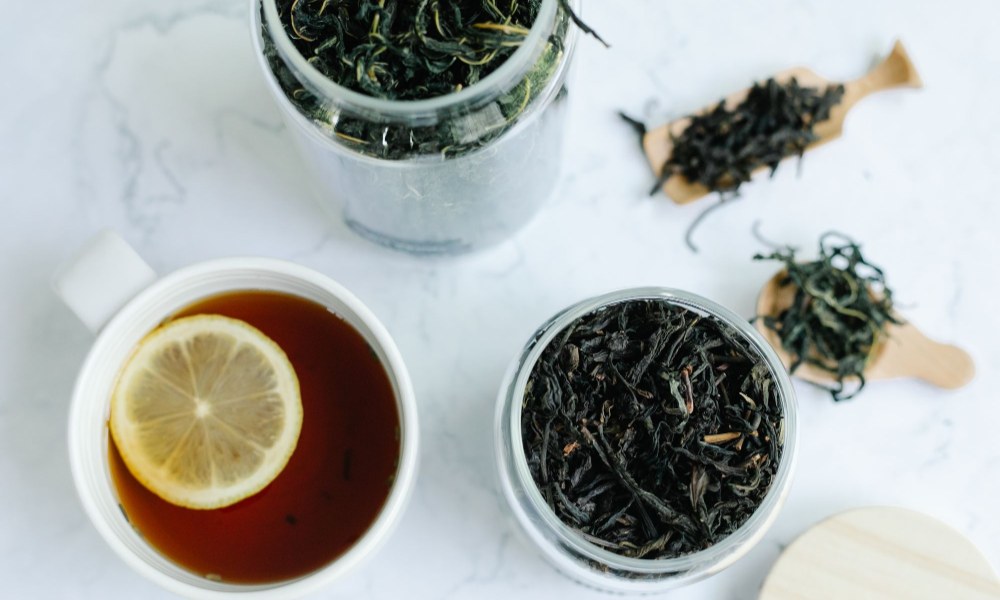
If you enjoy Earl Grey tea, citrus zest, fresh green scents, or fragrances that feel bright without smelling sugary, bergamot is a promising place to start. It is especially appealing when lemon feels too sharp, orange feels too sweet, or a traditional floral fragrance feels too rich.
When you sample a bergamot fragrance, notice the opening first. Is it sparkling, green, floral, or slightly bitter? Then give it time. In a perfume, wait for it to warm on the skin. With a candle or diffuser, notice how the scent changes once it begins to fill the room. Bergamot rarely tells the whole story by itself. Its role is often to introduce the fragrance and make the notes that follow feel clearer.
A Fresh Note With More Depth

Bergamot smells bright, citrusy, green, and gently floral, with just enough bitterness to keep it elegant. It has the freshness people expect from citrus, but also a softness that allows it to move easily among flowers, herbs, fruit, woods, and musk.
That is the simplest way to recognize it: bergamot is citrus with more dimension. Explore our Citrus Fragrances collection to discover its many sides.