
You’re reading the description of a new perfume, and there it is: bergamot, apple blossom, chamomile, pink pepper, lavender, rose, sandalwood, honey, amber, musk. It sounds lovely. It also sounds like a lot. Is that everything you’ll smell at once? Which part actually matters?
Or maybe you’ve had the opposite experience. You spritz a tester at the counter, fall for it on the spot, and walk out happy. Then around three o’clock you catch a whiff of your wrist and think, wait, this isn’t the perfume I bought.
It is. You’re just meeting a different part of it. That shift is the whole idea behind perfume notes, and once you understand how they work, a note list stops looking like a random string of ingredients and starts reading like a map.
Notes Are a Scent, Not a Recipe
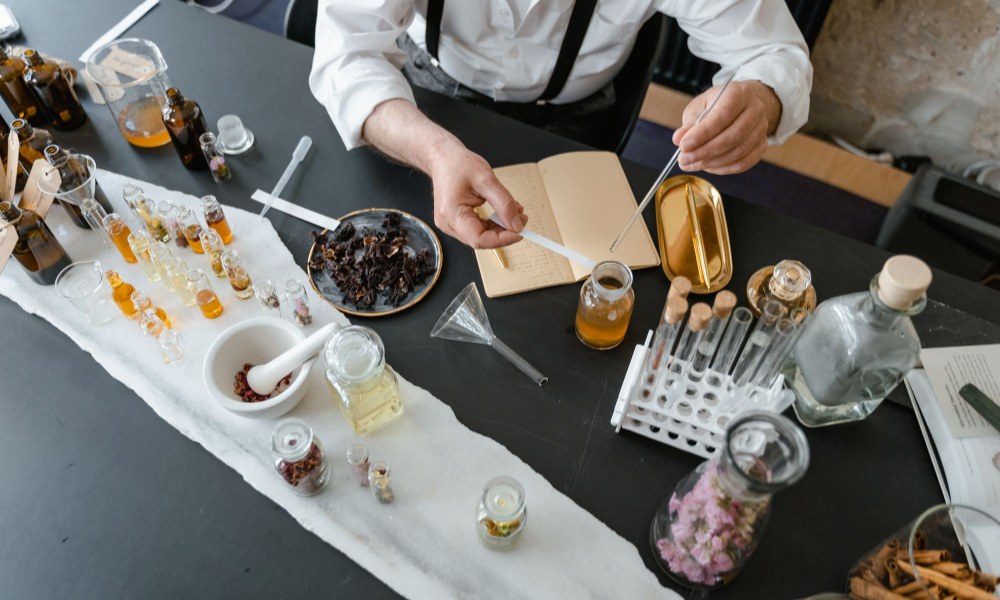
A perfume note is simply a scent you can recognize in the fragrance: the zesty brightness of bergamot, the softness of rose, the creamy warmth of sandalwood. Perfumers use note names to describe what you’ll smell, not to hand you the formula.
That distinction clears up a lot of confusion. Some notes do come from a single natural material. Others are accords, blends of several ingredients built to create one impression. Amber is a classic example. There’s no single “amber” ingredient in most perfumes. Instead, perfumers combine resins, vanilla, and warm woods until the blend reads as amber. It’s also why two perfumes that both list amber can smell completely different.
So when you look at a note list, think of it as a description of the experience rather than a label on a jar.
The Three Layers of Every Perfume
Traditionally, perfumers organize notes into three layers, often drawn as a pyramid. The lightest, most fleeting notes sit at the top, and the richest, longest-lasting ones anchor the bottom. The Perfume Society offers a helpful rough timeline for how each layer behaves on skin.
One thing the pyramid doesn’t show is that the layers overlap. The heart is there from the first spray, just quieter, and the top notes don’t vanish the second the heart arrives. It’s less like three separate acts and more like a song where different instruments take turns leading.
Top Notes: The First Impression

Also called head or opening notes, these are what you smell the moment the perfume hits your skin. They tend to be bright and airy (citrus, herbs, and light fruits are common), and according to The Perfume Society they usually last somewhere around 5 to 15 minutes. They’re designed to grab your attention, which is exactly why falling in love with a perfume in the first 30 seconds can be a little risky.
Heart Notes: The Personality

The heart, or middle notes, comes forward after about 10 to 15 minutes and carries the fragrance for the next few hours. Florals like rose, jasmine, and ylang ylang often live here. Fragonard, the historic perfume house in Grasse, describes the heart as the part that gives a perfume its identity. If someone asks what your perfume smells like, you’re probably describing the heart.
Base Notes: What Stays With You
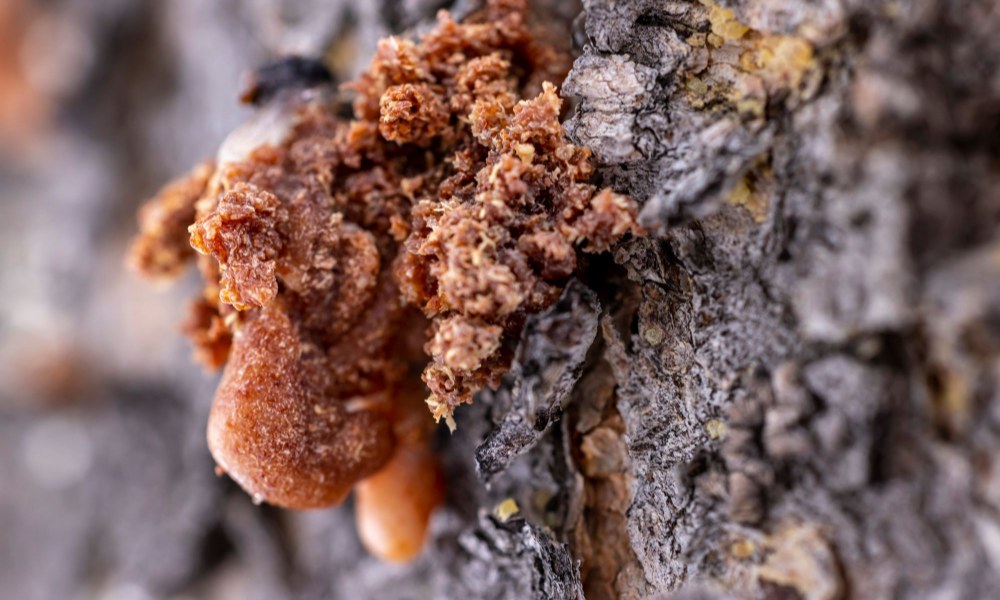
Base notes are the heavier materials underneath it all, like sandalwood, musk, vanilla, patchouli, and oakmoss. They help slow the whole fragrance down so it lasts, and they’re what you’ll smell on a scarf the next morning. The base also plays a big role in what makes a perfume long-lasting, so it’s worth paying close attention to when you’re choosing.
Follow a Perfume Through a Full Day
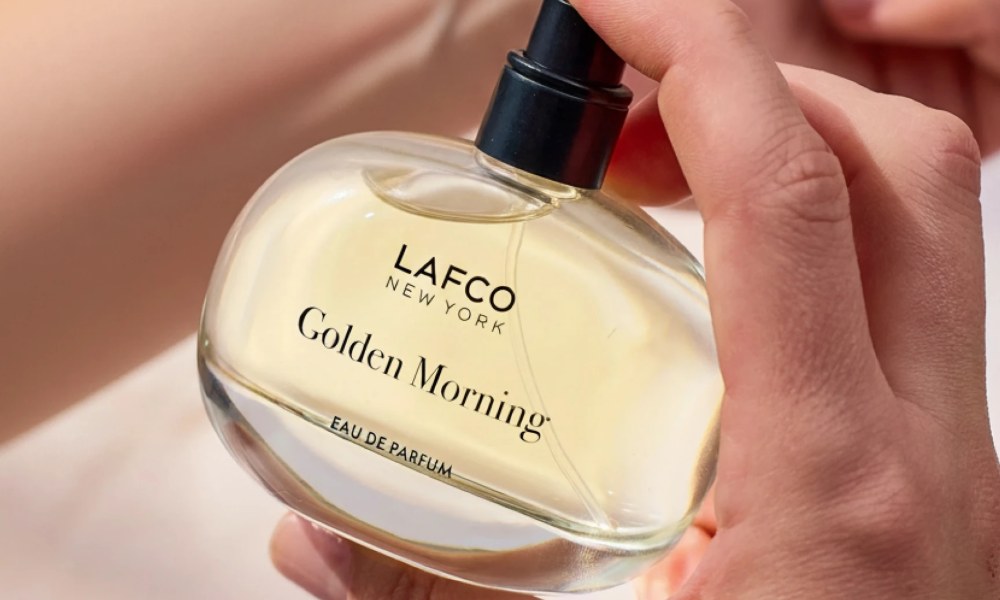
The easiest way to understand notes is to watch them happen. Take our Golden Morning Eau de Parfum, a floral inspired by our Chamomile Lavender home fragrance. Here’s roughly how it unfolds.
- The first spray: Bergamot and apple blossom open things up, with chamomile and a little sparkle of pink pepper. It’s bright and sunny, like the first cup of tea on a clear morning.
- Twenty minutes later: Our instructions suggest giving any of our perfumes 15 to 20 minutes for the top notes to soften, and this is when the heart comes forward. Lavender, rose, and violet leaf take over, with angelica seed adding a soft, slightly herbal warmth.
- Late afternoon: By now the base has settled in. Cashmere wood, sandalwood, honey, tonka, amber, and musk give Golden Morning a smooth, honeyed finish that sits close to the skin. This is the version your friends will notice when they hug you hello.
Same perfume, three very different moments. If you’d only smelled it at the counter, you’d have met just the first one.
When the Pyramid Bends the Rules
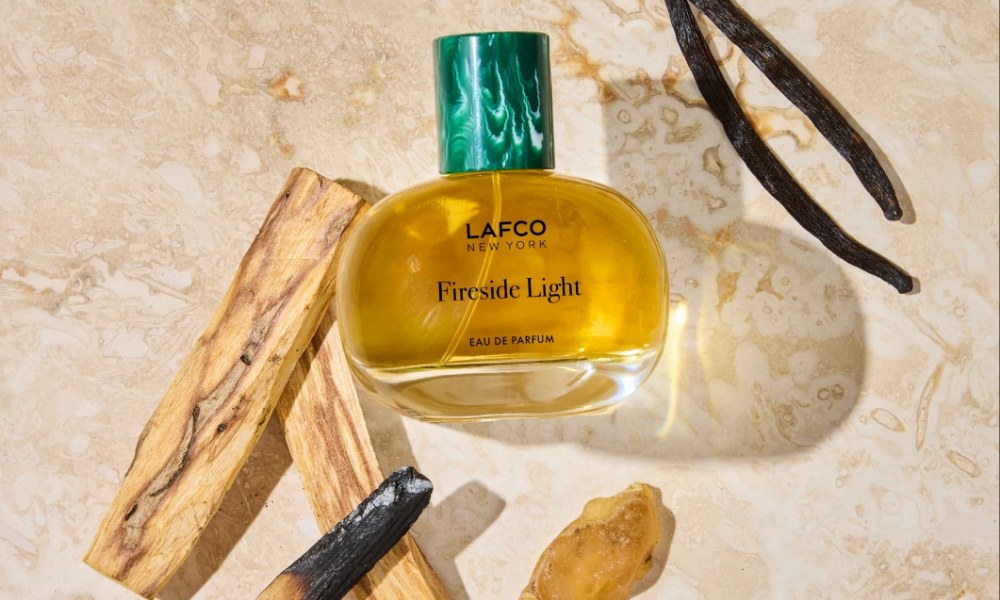
Here’s something the classic diagram doesn’t tell you: notes don’t always stay in their expected lanes.
Woods are usually base notes. Yet in our Fireside Light Eau de Parfum, inspired by our smoky Feu de Bois fragrance, they take over the heart. After an opening of cognac accord, davana, elemi, saffron, and fir balsam, the middle turns woody and earthy with vetiver, guaiacwood, patchouli, birch, and atlas cedarwood. The base then goes even deeper with leather accord, olibanum, benzoin, vanilla, and oud. Putting the woods in the heart gives Fireside Light a dry, smoky middle before the richer warmth arrives.
Some modern perfumes skip the journey altogether. The Perfume Society calls these linear fragrances, and they smell much the same from first spray to dry-down. Neither approach is better. It just depends on whether you enjoy a scent that evolves or one that stays put.
How to Read a Note List Before You Buy
Once you know what each layer does, you can get a surprising amount out of a note list. Next time you’re browsing, try reading it in this order:
- Start at the bottom. The base is what you’ll live with the longest, so make sure it’s something you love. Woods, vanilla, musk, and amber all feel very different by hour four.
- Move to the heart. This tells you the perfume’s personality. Florals, herbs, and woods in the heart point you toward very different fragrances.
- Then read the opening. Think of it as the welcome. It matters, but don’t choose a perfume on the top notes alone.
- Look for threads. When a theme runs through more than one layer, like woods in both Fireside Light’s heart and base, that note will probably feel like the backbone of the scent.
- Look up anything unfamiliar. Notes like davana or angelica seed can sound mysterious, and a quick search will tell you whether they’re up your alley.
Give a Perfume the Time It Deserves
A note list can narrow your choices, but only your skin can make the final call. Perfume behaves differently on skin than on a paper strip, and the heart and base need time to show up.
When you test a new fragrance, spray it on the same spots where you’d normally apply perfume, then leave it alone. Check in right away, again after 20 minutes, and again in the afternoon. Wear one scent per day so the notes don’t blur together.
That’s exactly why our Eau de Parfum Discovery Set exists. It includes all six of our eau de parfums in 2 mL vials, each made at the same 25% fragrance oil concentration as the full-size bottles. Golden Morning and Fireside Light are both in there, so you can follow each of them from opening to dry-down yourself. You can also browse our perfume samples if you’d like to start smaller.
Your Favorite Part Might Surprise You
Plenty of people discover they don’t actually love a perfume’s opening as much as its dry-down, or that the heart is what keeps them reaching for the bottle. That’s the fun of understanding notes. You stop judging a fragrance by its first ten seconds and start enjoying the whole story.
With a little practice, you’ll be able to glance at a note list and have a pretty good idea of how a perfume will feel by dinnertime, and even on your sweater the next morning. Put that new skill to work with our eau de parfum collection.