
There is a particular comfort in reaching for a towel that still feels plush after hundreds of washes. When that familiar softness disappears, an ordinary shower can end with a small but noticeable disappointment.
The roughening of a towel often happens slowly, over time, with each wash and dry cycle. Detergent that does not rinse away begins coating the pile, while tightly packed loads keep the fibers from moving freely. If the towel also spends too long damp, that “fresh-from-the-laundry” feeling can vanish altogether.
Restoring towels back to their once soft feeling is not about finding a secret wash cycle. It starts with understanding what the fabric needs at each point in the routine. A few thoughtful adjustments can protect the texture without reducing the towel’s ability to absorb water.
How to Wash Towels Without Sacrificing Softness or Absorbency

The goal is to let the washer do its work without overwhelming the fabric. Begin with the care label, then make the right choices to give the towels enough space to rinse clean and dry evenly.
Sort Towels by Color and Fabric Details
Separate whites from dark or saturated colors to reduce dye transfer. Before the first wash, check the care label. Pay particular attention to decorative borders or blended fibers, since they may require a gentler cycle or a different temperature.
When practical, wash towels separately from clothing. Their weight and lint can be hard on lighter garments, while fasteners may catch and tear the towel’s loops. A towel-only load also leaves more room for water to move through the pile and properly rinse off detergent.
Give Towels Room to Move
A washer can complete its cycle even when the drum is too full, but that does not mean the towels have rinsed well. Leave enough space for the load to tumble freely. Whirlpool’s towel-care guidance also cautions against overloading for this reason.
The same principle applies in the dryer. Air needs to move between damp towels, particularly through thick hems and folded edges. When the drum is crowded, the surface can feel dry while moisture remains inside those denser areas.
Measure Detergent Instead of Pouring by Eye

More detergent does not create a deeper clean. It can be harder to rinse away, leaving the pile less supple over time. The American Cleaning Institute recommends following the product label because using too much or too little detergent can leave laundry less clean than the correct dose.
Our Chamomile Lavender Laundry Detergent is concentrated, so the amount is intentionally small: one-half fluid ounce for a small load and one fluid ounce for a medium, large, or heavily soiled load. Measuring the dose protects against buildup, and the formula also works in cold water when the towel’s care label calls for a cooler setting.
Let the Care Label Set the Temperature
Contrary to popular belief, there is no single correct water temperature for every towel. Cotton whites may tolerate a warmer wash than a deeply colored towel or one with decorative trim. Start with the care label, then choose the warmest setting it permits.
If towels still feel soapy after rinsing, do not immediately turn up the water temperature. First check whether the drum was overloaded or the detergent was overmeasured. An extra rinse can help carry the remaining residue away without exposing the fabric to more heat than its care label allows.
Dry Towels Completely, Without Overdrying
The most important rule for keeping towels fresh is also the simplest. Move towels to the dryer soon after the wash finishes. Before loading them, shake each one open. This loosens folds that can trap moisture and helps restore some loft to the pile.
When drying, use the dryer setting and heat level recommended on the care label. Don’t feel like you have to select the highest heat. For many towels, low to medium heat is sufficient, but the fabric should be fully dry before folding. Remove towels once they are dry rather than leaving them in prolonged heat, which can wear the fibers and make the surface feel rougher.
Add Wool Dryer Balls to the Load

Towels have a tendency to bunch together as they tumble, especially when the dryer is full. To help towels dry quicker and more consistently, consider using wool dryer balls. They move between towels and create more space for warm air to circulate. This helps the load dry more evenly and gives the fabric gentle movement without relying on dryer sheets that may leave behind a coating.
Our Chamomile Lavender Scented Dryer Ball Set includes three reusable New Zealand wool balls and a bottle of laundry fragrance oil. Add six to eight drops to each ball and give the oil a few minutes to absorb before placing them in the dryer. The balls help keep the towels moving, while the oil leaves behind a light Chamomile Lavender scent.
Why Do Towels Become Stiff or Less Absorbent?
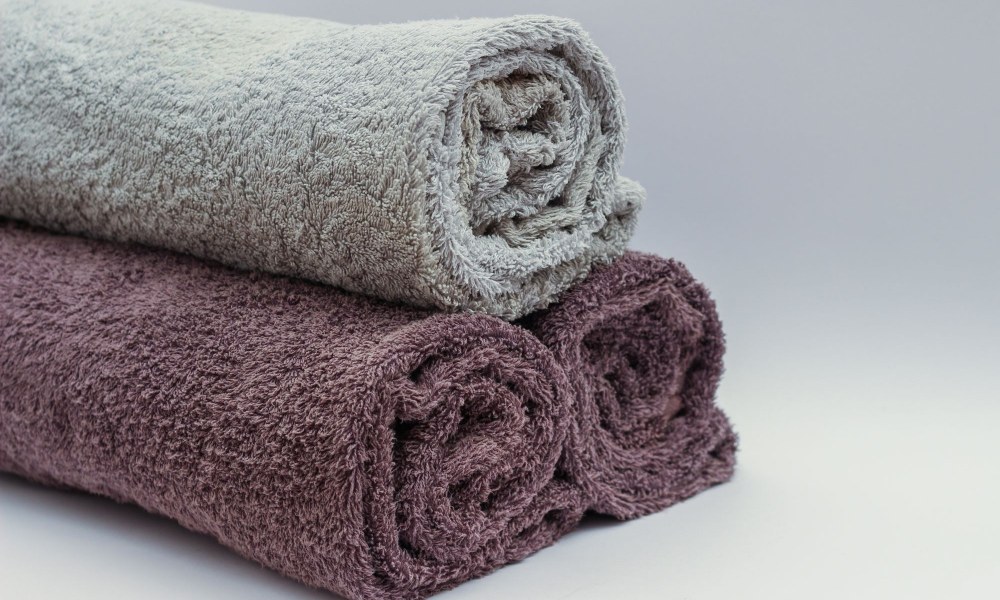
A stiff towel usually reflects something in the routine rather than permanent damage to the fabric. The way it feels offers clues. Waxy pile suggests buildup, while a brittle surface may point to too much heat.
- An oversized load. Towels cannot rinse clean or tumble freely when the drum is packed.
- An inaccurate detergent dose. Too much may leave residue, while too little may not remove body oils and soil effectively.
- Automatic use of fabric softener or dryer sheets. The American Cleaning Institute says modern softeners can be used on towels when dosed correctly, while Whirlpool recommends avoiding them because a coating may affect absorbency. If a towel feels waxy or stops drying well, skip the softener and dryer sheet for the next several washes.
- Too much dryer heat. A longer, hotter cycle is not the same as a better dry. Stop when the towel is completely dry and still feels flexible.
When Clean Towels Still Smell Musty

A towel can smell clean on the shelf and stale the moment it gets wet. That return of odor often means the fabric never dried completely or that residue has held onto moisture.
In that case, here’s what to do.
- Rewash the towels in a comfortably sized load with the label-directed amount of detergent.
- Choose the warmest water allowed by the towel’s care label and add an extra rinse if needed.
- Move the towels to the dryer as soon as the cycle ends.
- Dry them fully, then store them on a linen shelf or in a cabinet that stays dry and uncrowded.
If the same odor appears across different loads, inspect and clean the washer according to its manufacturer’s instructions.
How Often Should You Wash Bath Towels?
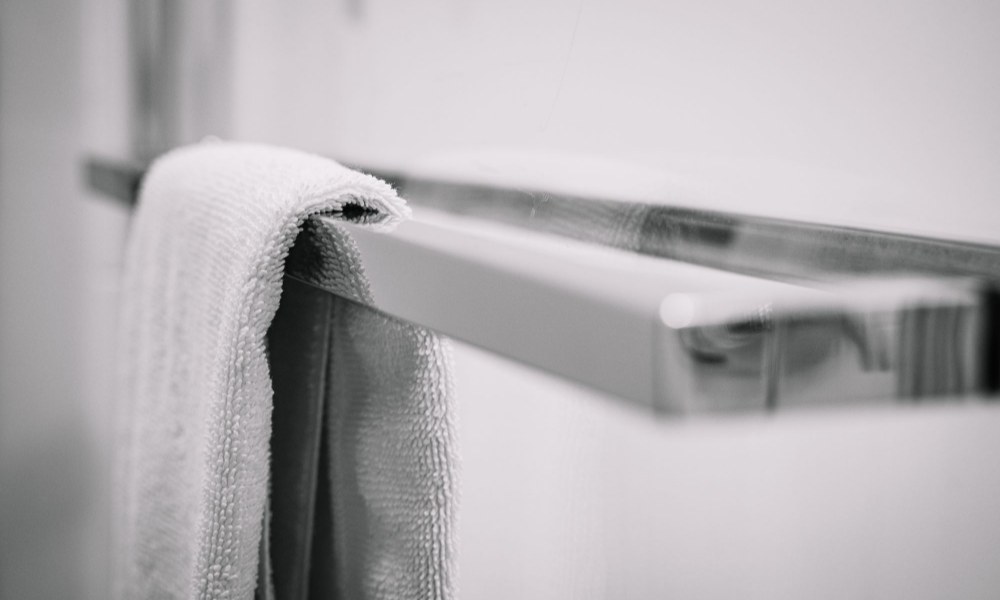
While many people wash towels after one use and others prefer to use towels for weeks at a time, washing after three uses is recommended by the pros. A towel that remains damp between showers should go into the wash sooner, especially in a humid room or when it is shared.
Between washes, spread the towel over a bar, rather than hanging it up, so air can reach as much surface area as possible. More surface area gives the towel more air to properly dry and not smell musty.
Keep Softness and Absorbency in Balance
A good towel-care routine does not need to be complicated. Most problems can be prevented by leaving enough room in the washer and using the detergent as directed. Careful drying finishes the job.
If a towel starts feeling stiff or develops an odor when damp, revisit the routine before reaching for another product. Correcting the cause early can restore the comfort that makes a freshly laundered towel so satisfying.