
There’s a particular kind of comfort in climbing into a freshly made bed. The sheets are cool and smooth, and the pillowcase still smells like laundry day. For a minute, the whole bedroom feels calmer.
That feeling fades faster than most of us realize. Sheets can look perfectly clean at the end of the week and still be holding onto a lot more than you’d guess. So how often should you actually be washing them? And does the same rule apply to your pillowcases, your duvet cover, and the mattress protector you probably haven’t thought about in months?
Below, we’ll walk through the schedule that works for most people, the situations that call for washing sooner, and how to wash your bedding so it comes out of the dryer soft and smelling wonderful.
How Often Should You Wash Your Sheets?
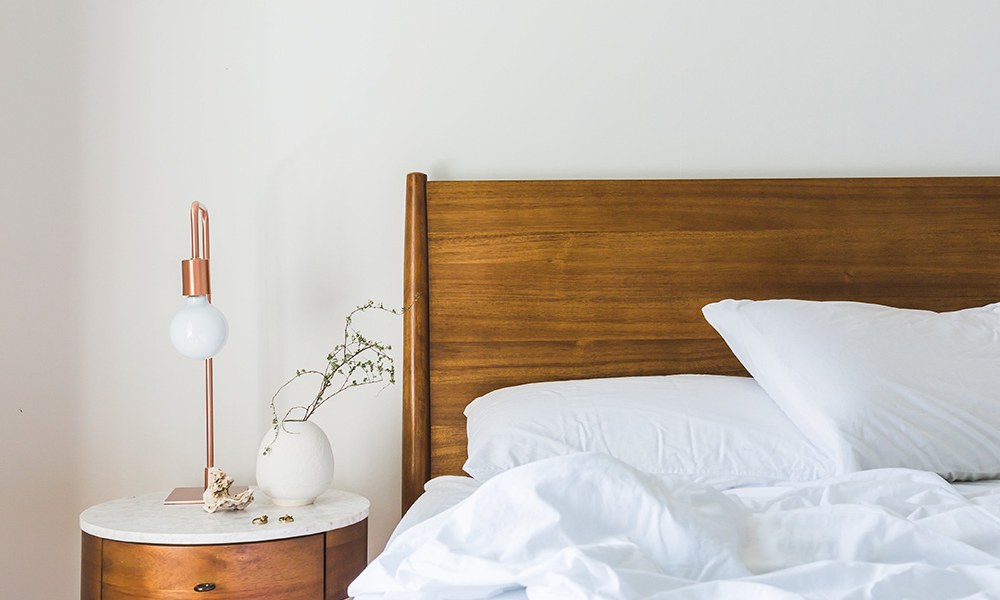
If you sleep in your bed every night, plan on washing your sheets once a week. That’s the guidance dermatologist Sean McGregor gives through Cleveland Clinic, and it’s the rhythm most sleep and cleaning experts land on.
Once a week can sound like a lot until you do the math. Seven nights of seven or eight hours adds up to 50 hours or more with your skin pressed against the same fabric. If you really think about it, your sheets are probably the most-used textile in your home.
If a weekly wash feels unrealistic right now, the American Cleaning Institute puts the outer limit at every two weeks, and sooner if you sweat a lot at night. Treat two weeks as the most you should stretch it, not the goal.
The easiest way to make the weekly habit stick? Keep two sets of sheets for every bed. Strip the bed, put the fresh set on right away, and wash the other set whenever it fits into your week. You’ll never be stuck waiting on the dryer at 10 p.m. before you can go to sleep.
What’s Really Building Up in Your Sheets
Your sheets don’t have to look dirty to need a wash. Most of what collects in them is invisible.
Every night, your body leaves a little behind. Sweat and natural skin oils work their way into the fabric, and so do dead skin cells. Cleveland Clinic notes that the average person sheds about 1.5 grams of dead skin a day, and that beds can harbor dust mites and bacteria along with it. Then there’s everything else that comes to bed with you: lotion, hair products, the makeup you meant to take off, and the occasional late-night snack.
None of this calls for anything dramatic. It just calls for consistency. A weekly wash keeps that buildup from getting ahead of you, so your bed stays the kind of place you look forward to at the end of the day.
When to Wash Your Sheets More Often

Once a week is a baseline, not a hard rule. Some weeks your bed simply works harder than others, and Cleveland Clinic recommends washing more often in a few specific situations. If any of these sound familiar, don’t wait for your usual laundry day:
- You wake up sweaty. Hot, humid nights or a heavy duvet can leave sheets damp by morning. Wash them sooner, and let the mattress air out for a bit before you remake the bed.
- Your pet sleeps with you. Fur and dander collect wherever your dog or cat likes to curl up, and paws bring the outdoors right onto the covers. A midweek wash, or at least a fresh top layer, makes a real difference.
- You have allergies or asthma. Dust mites and pet dander live in bedding, so washing more often is worth the extra load.
- Someone has been sick. Once the worst has passed, wash everything they slept on so the bed gets a true fresh start.
- You sleep without pajamas. Less fabric between you and the sheets means more sweat and oil ends up in them.
- There’s a spill or a stain. Coffee in bed happens. Treat the spot right away, then wash the whole set instead of waiting.
How Often to Wash the Rest of Your Bedding
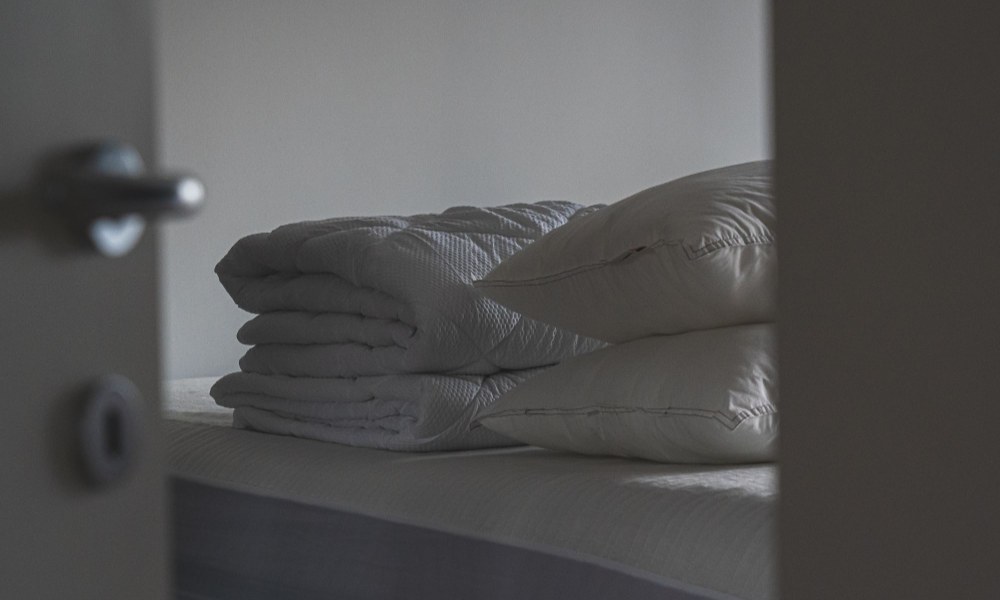
Your fitted sheet and pillowcases take the most wear, but they’re only part of the bed. Everything else follows its own schedule, and it mostly comes down to one question: how close does it get to your skin? Here’s how to think about each layer.
Pillowcases
Wash them with your sheets every week. Your face rests on your pillowcase for hours every night, so it picks up skincare, hair products, and oil faster than almost anything else on the bed. If you use a lot of products, or your pillowcase starts to feel less than fresh by Wednesday, swapping in a clean one midweek is an easy upgrade. You don’t need to strip the whole bed to do it.
Duvet Covers and Blankets
If you sleep with a flat sheet between you and your duvet, the cover can go a little longer. The Sleep Foundation suggests washing duvet covers every two weeks to a month. Skip the top sheet, though, and your duvet cover is doing the same job your sheets do. In that case, it belongs in the weekly load.
Blankets work the same way. The throw you pull up to your chin every night needs more attention than the decorative one folded at the foot of the bed.
Comforters and Pillows
These are the slow-schedule items. Sleep Foundation recommends washing a comforter every two to three months and washable pillows every four to six months. Check the care label first, since some fills need special handling or a trip to the cleaners.
Bulky pieces also take a long time to dry all the way through. Give them an extra dryer cycle or a few hours of air drying, and squeeze the thickest part before you put them back on the bed. A comforter that’s still damp in the middle won’t smell fresh for long.
Mattress Protectors
The mattress protector is easy to forget because it lives under the fitted sheet. Even so, it catches whatever makes it through. Sleep Foundation recommends washing your mattress protector every one to two months, or right away after a spill. Skip high heat in the dryer, especially with waterproof protectors, since heat can shrink the fabric and damage the waterproof layer.
How to Wash Sheets So They Come Out Soft and Fresh

How you wash your sheets matters almost as much as how often. A few small habits are the difference between sheets that feel crisp and inviting and ones that come out of the dryer a little stiff or dingy.
- Start with the care label. It tells you what your fabric can handle. Hot water helps kill dust mites, according to Cleveland Clinic, and cotton usually takes it well. Blends and delicate weaves often do better in warm water, so go with the hottest temperature your label allows.
- Treat stains first. Spot-treat makeup, lotion, or coffee before the sheets go in, while the stain is still fresh.
- Give them room. Wash sheets on their own or with a few small items, not with heavy towels or a comforter. Sheets need space to move, and an overstuffed drum leaves them tangled and poorly rinsed.
- Measure your detergent. More soap doesn’t mean cleaner sheets. Extra detergent can linger in the fabric and leave it feeling stiff, so follow the directions for your load size.
- Dry them completely. Shake each piece out before it goes into the dryer so the fitted sheet doesn’t swallow the pillowcases. Then check the corners and seams before you fold. Even slightly damp sheets can turn musty in the closet.
The detergent you choose is where a weekly chore can start to feel like a small luxury. Our Chamomile Lavender Laundry Detergent is a plant-based formula made with bio-enzymes that go after stains and odors at the source, and it’s an Allure Best of Beauty award winner. The scent opens with bergamot and chamomile, softens into lavender and eucalyptus, and settles into rosemary, patchouli, and honey flower. It’s gentle enough to live on your sheets without taking over the bedroom. If you’re still comparing options, here’s how to choose a scented laundry detergent that leaves linens smelling fresh.
When it’s time to dry, skip the dryer sheets and reach for our Scented Dryer Ball Set instead. The three New Zealand wool dryer balls help sheets dry faster and come out softer, with less static, and they’re reusable for over 1,000 loads. Add six to eight drops of the included fragrance oil to each ball before the cycle starts. For a stronger scent, LAFCO suggests adding the oil during the last 15 minutes of drying. There are plenty of other reasons to use wool dryer balls every time you do laundry, too.
If your sheets still come out smelling a little musty, the sheets usually aren’t the problem. It’s more often the washer itself or clothes that sat wet too long. These tips for making your laundry smell good naturally cover the most common fixes.
Keeping Your Bed Fresh Between Washes

Even on a weekly schedule, you can keep that just-washed feeling going a little longer. None of these replace a wash, but together they make a clean bed feel even better.
- Pull the covers back in the morning. Give the bed 20 minutes or so to air out before you make it, so moisture from the night can escape instead of getting tucked in.
- Store clean sheets with a sachet. Linen closets don’t get much airflow, and folded sheets can pick up a stale, closed-in smell. Tuck our Chamomile Lavender Scented Sachet between your folded sets. It’s made from Libeco Belgian linen and stays fragrant for up to four months in an enclosed space. You’ll find the other scents in our drawer sachet collection.
- Mist lightly before bed. Our Chamomile Lavender Room Mist doubles as a linen spray. Spritz it into the air above the bed and let it drift down rather than soaking the fabric, and test a hidden spot first, since some mists can show color on fabric.
- Keep the scent going in the dryer. When your dryer balls need a refresh, our Laundry Fragrance Oil tops them back up.
- Let the bedroom match the bed. A Chamomile Lavender Classic Reed Diffuser on the dresser carries the same soft herbal scent through the room, with no flame to worry about when you’re drifting off.
Make Fresh Sheets Part of Your Week
Clean sheets are one of the simplest luxuries there is. Wash them once a week, sooner when life gets messy, and let the rest of your bedding follow its slower schedule. Keep a second set on hand, and the whole routine practically runs itself.
Pair that habit with a fragrance you love, and getting into bed starts to feel a lot like checking into your favorite hotel. Explore our full Laundry & Cleaning collection for everything you need to keep your sheets feeling as good as they smell.