
Perfume rarely announces that it is beginning to turn. More often, a familiar bottle simply feels different one morning. The citrus you once noticed right away seems dull. A floral note you loved has become unusually sharp. The fragrance is still recognizable, but it no longer settles the way it used to.
Perfume can expire, although age alone does not tell you whether a bottle has gone bad. What matters more is how the fragrance has been stored and whether its scent, appearance, or performance has noticeably changed. A carefully kept bottle may remain beautiful for years. The same perfume can deteriorate much sooner after months on a sunny vanity or in a hot, humid bathroom.
The Date on the Bottle Is Only One Clue
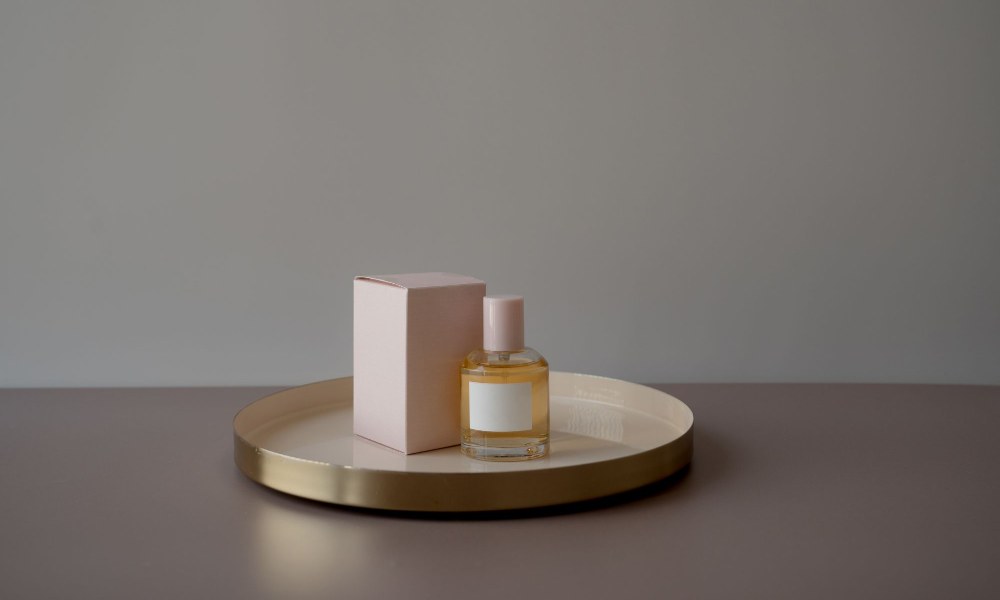
Perfume does not spoil on a precise day. It changes gradually as air, light, and heat affect the materials inside the bottle. Delicate notes are often the first to lose their definition, so the first spray may smell flatter or rougher while the scent that follows still seems familiar.
The FDA’s shelf-life guidance explains that U.S. law does not require cosmetics to carry a specific expiration date. It also notes that shelf life depends on the product, how it is used, and how it is stored. Some fragrance packaging includes a period-after-opening symbol, shown as a small open jar followed by a number of months. That number is useful guidance from the maker, but it is not a guarantee that every bottle will change on the same schedule.
A batch code serves a different purpose. It identifies production information and can help establish the bottle’s age, but it is not necessarily an expiration date. Use dates and codes as context. Because of this, it’s important to let the condition of the fragrance make the final decision on whether the perfume has expired or not.
A Three-Part Check for an Older Perfume

If you are unsure about a bottle, do not judge it from one quick sniff at the atomizer. Check the fragrance in stages. Each one tells you something different about what may have changed.
1. Smell the First Spray, Then Wait
Spray the perfume onto a clean paper blotter or skin and give the alcohol a minute to evaporate. A fragrance that has turned may begin with a sour, metallic, stale, or unusually harsh smell. It may also seem thin and dominated by alcohol because the notes that once balanced the scent are no longer as clear.
Do not stop there. Smell again after 30 minutes. An older fragrance can begin a little roughly and still settle into the scent you remember. If it smells wrong from beginning to end, or disappears much faster than it once did, it may be time to retire that bottle.
2. Look for More Than a Slight Color Shift
Color alone is not a reliable way to test if perfume has expired. Some perfumes deepen slightly over time without smelling “wrong.” It’s the combination of clues that matters.
Hold the bottle against a light, neutral background. A dramatic change in color, persistent cloudiness, separation, floating material, or sediment deserves closer attention (especially when the scent has also changed). If the liquid still looks clear and consistent, a subtle shift in tone may be less important than what you smell on the blotter or your skin.
3. Inspect the Bottle and Atomizer
A perfume can change faster when the bottle no longer seals properly. Look for residue around the atomizer, a cap that sits loosely, or a liquid level that has fallen more than normal use would explain. These signs may point to leakage or evaporation. They don’t necessarily prove the fragrance has expired, but they do suggest that more air has been reaching the formula (spoiling it).
Use the Fragrance You Know as the Baseline
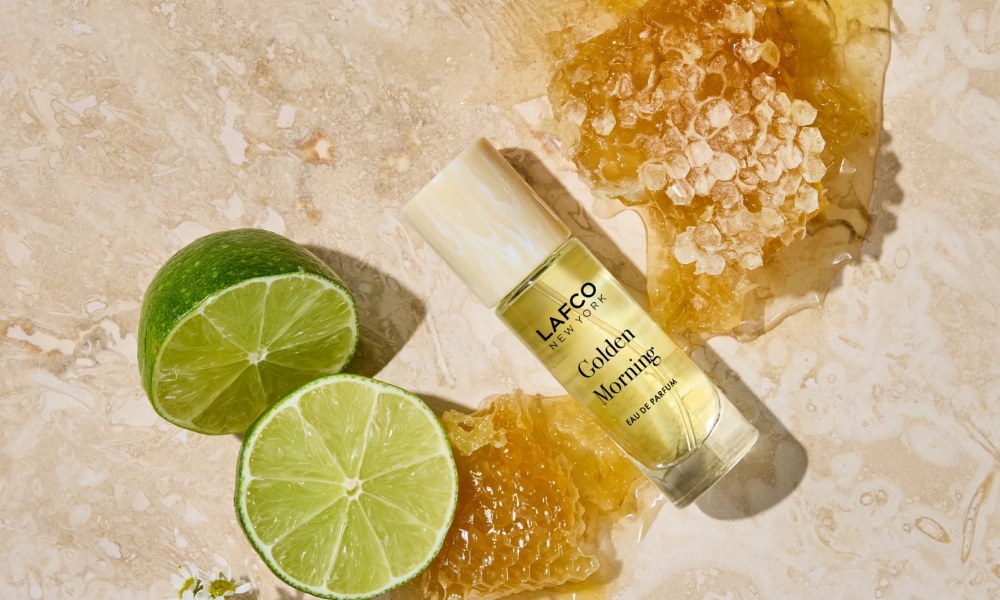
A perfume should be judged against the way it was designed to unfold as it’s worn. A softer first impression is different from a scent that remains sour, metallic, or unfamiliar throughout its wear. If you know the fragrance well, use its usual progression as your point of comparison.
Below are three LAFCO perfume fragrances to give you an idea of how a luxurious perfume should smell…
- Golden Morning begins with bergamot, apple blossom, and pink pepper, moves into chamomile and lavender, then settles into sandalwood, honey, tonka, amber, and musk. If the bright first impression has softened but the warm floral base remains recognizable, age alone may not be a reason to discard it.
- Midnight Aura begins with prickly pear and wild raspberry, turns floral with cactus blossom and rose buds, then settles into desert musk, cedarwood, and golden amber. The fruit may soften first, but the dry, warm base should still feel true to the fragrance.
- Fireside Light is intentionally smoky, woody, and resinous. It moves from cognac, saffron, and fir balsam into leather, benzoin, vanilla, and oud. Those deep notes are part of the perfume, not signs of spoilage. A new sour or metallic quality that persists through the wear is more concerning.
If a bottle is old enough that you no longer remember how it should smell, a fresh vial from our Eau de Parfum Discovery Set can provide a useful reference. Spray the old and new samples on separate blotters, then compare them at the same time intervals.
What Makes Perfume Change Faster?

Several conditions can shorten the life of a fragrance. Most are easy to avoid once you know what puts pressure on the formula.
- Air exposure gives the fragrance more opportunity to oxidize. As the liquid level falls, the amount of air inside the bottle increases.
- Direct sunlight can affect both the color and aroma of the formula, even when the bottle looks decorative on display.
- Heat speeds up chemical changes and evaporation. A hot car, a shelf beside a radiator, or a sunny windowsill can be especially hard on perfume.
- Repeated temperature swings create an unstable environment. Bathrooms move from cool to warm and steamy several times a day, which makes them a poor place for long-term storage.
- A damaged atomizer or loose cap allows more air to enter and may let the fragrance evaporate between wears.
You do not need laboratory conditions to protect a bottle, but stability matters. A dark, dry place with a comfortable and consistent room temperature will usually serve a fragrance better than a location chosen mainly for display.
Give Your Perfume a Better Place to Live
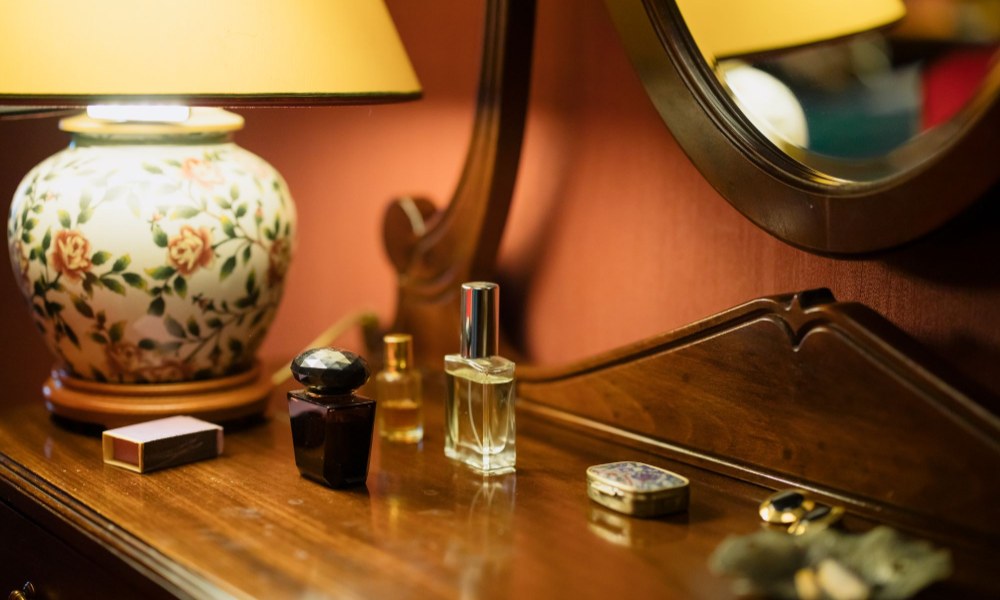
The best storage spot is often less glamorous than the bottle itself. A drawer, closet shelf, or closed cabinet protects perfume from the two things most likely to reach it every day: light and temperature changes.
Best Places to Keep Perfume
- A bedroom drawer that stays dry and shaded
- A closet shelf away from heating vents
- A closed cabinet that does not receive direct sunlight
- The original box, placed in any of the locations above
Places to Avoid
- A bathroom shelf or medicine cabinet exposed to shower heat
- A windowsill, even if the light is indirect for part of the day
- A car, suitcase, or gym bag where temperatures can rise quickly
- A shelf beside a radiator, fireplace, or heating vent
Keep the bottle upright and replace the cap after each use. There is no need to shake perfume before applying it, and it is better to leave the fragrance in its original bottle unless the atomizer has failed or you need a small amount for travel. Each transfer gives air another chance to reach the liquid.
Use This Keep-or-Discard Test
When a bottle is old but the answer is not obvious, work through the same short test rather than relying on the purchase date.
- Spray once on a clean paper blotter. Do not test on your skin first.
- Smell it after one minute, then again after 30 minutes. Compare both stages with the fragrance you remember.
- Check the liquid against a neutral background for cloudiness, separation, sediment, or a dramatic color change.
- Inspect the atomizer, cap, and liquid level for signs of leakage, residue, or a poor seal.
Keep the bottle if it still smells balanced and recognizable, looks consistent, and sprays properly. Let it go if the scent remains sour, metallic, stale, or unfamiliar from beginning to end, particularly when the liquid also looks unusual.
A Smaller Bottle Can Be the Smarter Bottle
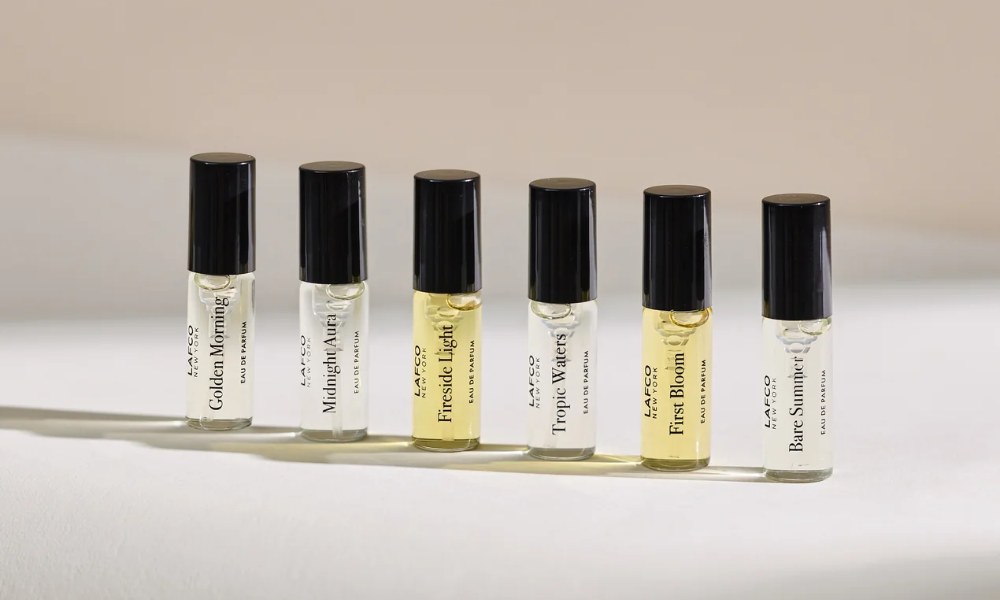
Fragrance size should match the way you actually wear perfume. A full-size bottle makes sense when one signature scent is part of your daily routine. If you rotate among several perfumes, save certain fragrances for particular seasons, or are still deciding what suits you, a smaller format may be easier to finish while the scent is at its best.
Our Eau de Parfum Discovery Set includes First Bloom, Bare Summer, Golden Morning, Fireside Light, Midnight Aura, and Tropic Waters in 2mL vials. That gives you time to wear each perfume before choosing a favorite. Once you know which scent you reach for most, our Travel Size Perfume gives you more of that fragrance without requiring an immediate move to a full-size bottle.
Let the Fragrance Make the Case
An old bottle is not automatically a bad bottle. Start with the smell, confirm what you notice by looking at the liquid and the seal, and consider how the perfume has been stored. Those clues tell you far more than a date alone.
For more guidance once your bottle passes the test, explore how to apply perfume and what makes a perfume long-lasting. Good storage protects the fragrance between wears, while thoughtful application helps you experience it as intended.